The Follow-Up Workflow Most Teams Get Wrong
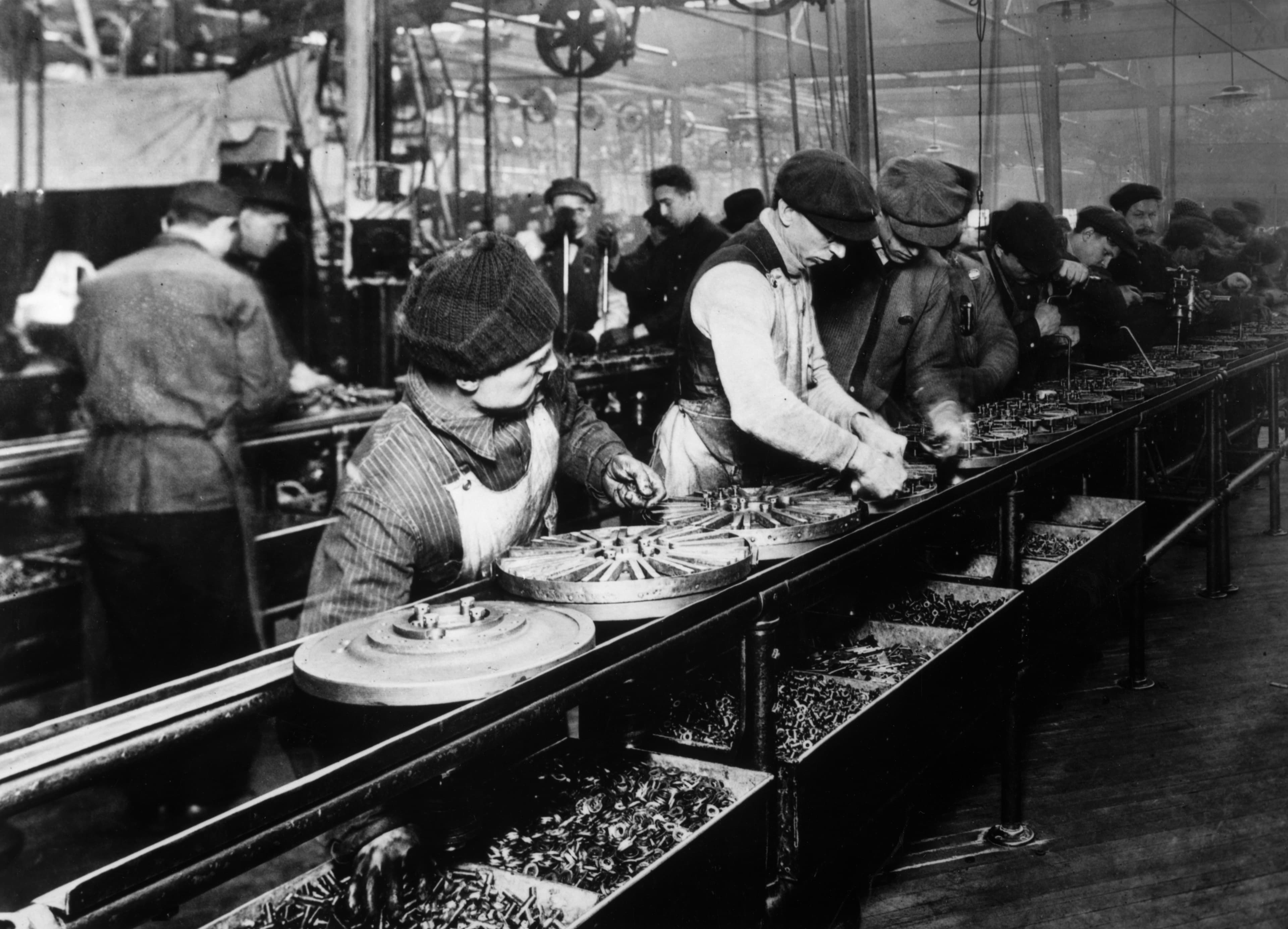
Every sales team we've worked with already knows they should follow up faster. That is not the gap. The gap is between knowing it and having a system that does it whether or not anyone remembers to.
“Follow up with the lead” is an intention. It lives in a rep's head, or a sticky note, or a task they meant to get to before the next call pulled them away. Intentions do not scale past one person's memory on one good day. A workflow does.
What a Follow-Up Workflow Actually Is
A workflow has four things an intention does not: a defined trigger, a defined owner, a defined timing, and a defined channel. Not “follow up soon” — follow up within this many hours, on this channel, and if there's no response, here is exactly what happens next, and after that, and after that. Every step is decided in advance, before the lead ever arrives.
In 1913, Ford cut the time to build a car from over twelve hours to about ninety minutes — not by hiring faster workers, but by redesigning the process so that speed no longer depended on any one person's judgment in the moment.
The lesson was never about cars. It was that a defined sequence beats individual heroics, every time, at scale.
Sales follow-up works the same way. The teams who respond fastest and most consistently are not the ones with the most motivated reps. They are the ones who removed the decision from the moment it needs to happen.
Where This Breaks in Practice
Three failure points show up over and over in the pipelines we audit:
The trigger is vague. “Follow up after the demo” doesn't say when. A day later, it competes with everything else on a rep's plate and loses.
The owner is unclear. If a lead can sit between two reps, or between sales and marketing, it will — and it will sit there longer than either side realizes.
The sequence stops at one attempt. Most buyers do not respond to the first touch. A workflow with only one follow-up step isn't a workflow. It's a single roll of the dice with a process label on it.
Building It So It Runs Without Being Remembered
Map the sequence before you automate any of it: every touchpoint, every channel, every timing gap, written down as a chain of if-this-then-that steps. Once the sequence is explicit, it stops being a matter of who remembered and becomes a matter of whether the system ran — which is a much easier thing to fix. That is also the point where voice automation and AI follow-up tools become genuinely useful, because they are executing a defined workflow, not guessing at one.